
Peripheral Angioplasty (PVD)
Peripheral Vascular Disease (PVD) occurs when arteries in the legs become narrowed. Angioplasty restored blood flow using a tiny 2-3 mm puncture.
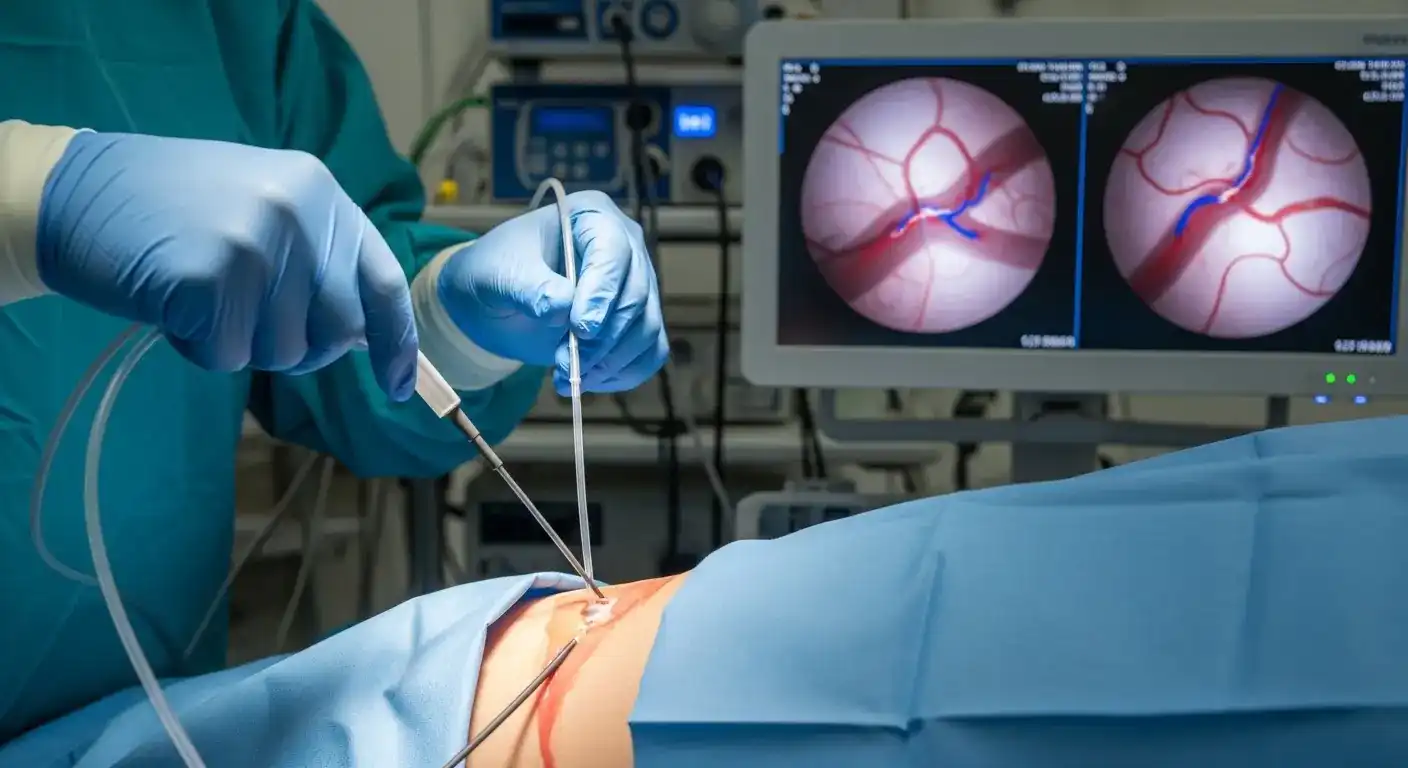
PVD Treatment with Angioplasty & Stenting
Peripheral vascular disease (PVD) is progressive ciculation disorder characterised by narrowing, blockage or spasms in blood vessels . Arteries are most commonly involved so it is also called peripheral arterial disease (PAD)
Understanding the Condition
Peripheral vascular disease (PVD) is progressive ciculation disorder characterised by narrowing, blockage or spasms in blood vessels . Arteries are most commonly involved so it is also called peripheral arterial disease (PAD)
Common Symptoms
- Intermittent claudication - Pain after walking certain distance
- Hair loss on your legs and feet
- Numbness or weakness in the legs
- Brittle, slow-growing toenails
- Ulcers (open sores) on your feet and legs, which do not heal
- Changing skin colour on your legs, such as turning paler than usual or blue
- Shiny skin
- The muscles in your legs shrinking (wasting)
Risk Factors
- Smoking
- Diabetes
- Family history of peripheral artery disease, heart disease or stroke
- High blood pressure
- High cholesterol
- Increasing age, especially after 65 (or after 50 if you have risk factors for atherosclerosis)
- Obesity (a body mass index over 30)
- High levels of an amino acid called homocysteine
Causes
Buildup of fatty, cholesterol containing deposits (plaques) on artery walls known as atherosclerosis, which reduces blood flow to the limbs
Blood vessel inflammation
Injury to the arms or legs
Changes in the muscles or ligaments
Radiation exposure
Infection
How the Procedure Works
Angioplasty
A procedure to restore blood flow in blocked leg arteries using pinhole technology.
Stenting
Placement of a tiny mesh tube to keep the artery open after angioplasty.
Thrombolysis
Using medication to dissolve blood clots directly within the artery.
Lifestyle Changes
- Stop smoking
- Exercise regularly
- Eat a healthy diet that’s low in fats and cholesterol
- Manage underlying conditions like diabetes or high blood pressure
Medications
- Blood thinners
- Pain management
- Cholesterol tablets
- Anti hypertensives
- Anti diabetic tablets
Key Benefits & Advantages
No large cuts
Faster recovery
Improved walking ability
Reduced risk of limb loss
Recovery & Aftercare
Most patients stay overnight and are discharged the next day. Normal activity in 1 week.
Related Vascular Care Procedures
Book a Consultation
Schedule an appointment with our specialists to discuss if Peripheral Angioplasty (PVD) is right for you.