
Prostate enlargement / Benign prostatic hyperplasia
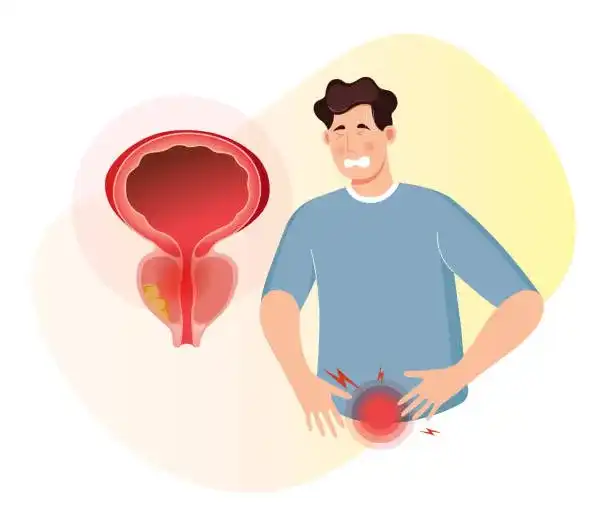
As men age, the prostate gland often enlarges, a condition known as Benign Prostatic Hyperplasia (BPH). While non-cancerous, an enlarged prostate compresses the urethra, leading to significant urinary difficulties.
Comprehensive BPH Treatment with PAE
Prostate Artery Embolization (PAE) is a cutting-edge, minimally invasive treatment performed by an Interventional Radiologist to shrink the prostate without traditional surgery (like TURP).
Understanding the Condition
As men age, the prostate gland often enlarges, a condition known as Benign Prostatic Hyperplasia (BPH). While non-cancerous, an enlarged prostate compresses the urethra, leading to significant urinary difficulties.
Common Symptoms
- Frequent urination, especially at night (nocturia)
- Weak or interrupted urinary stream
- Difficulty starting urination or a feeling that the bladder isn't empty
- Urgent need to urinate
Risks of Ignoring
- Acute urinary retention (sudden inability to urinate)
- Urinary tract infections (UTIs)
- Bladder stones
- Kidney damage due to back-pressure
How the Procedure Works
Access
Under local anesthesia, a micro-catheter is guided through the radial artery (wrist) or femoral artery (groin) to the prostate vessels.
Mechanism
Microscopic particles are released to partially block blood flow to the prostate, causing it to soften and shrink over weeks.
Key Benefits & Advantages
No Sexual Side Effects: Near-zero risk of impotence or retrograde ejaculation.
No Catheter Needed: Most patients do not require a urinary catheter after the procedure.
Rapid Recovery: Return home the same day and resume normal activities within 48 hours.
Related Men's Health Procedures
Book a Consultation
Schedule an appointment with our specialists to discuss if Prostate enlargement / Benign prostatic hyperplasia is right for you.