
Deep Vein Thrombosis (DVT)
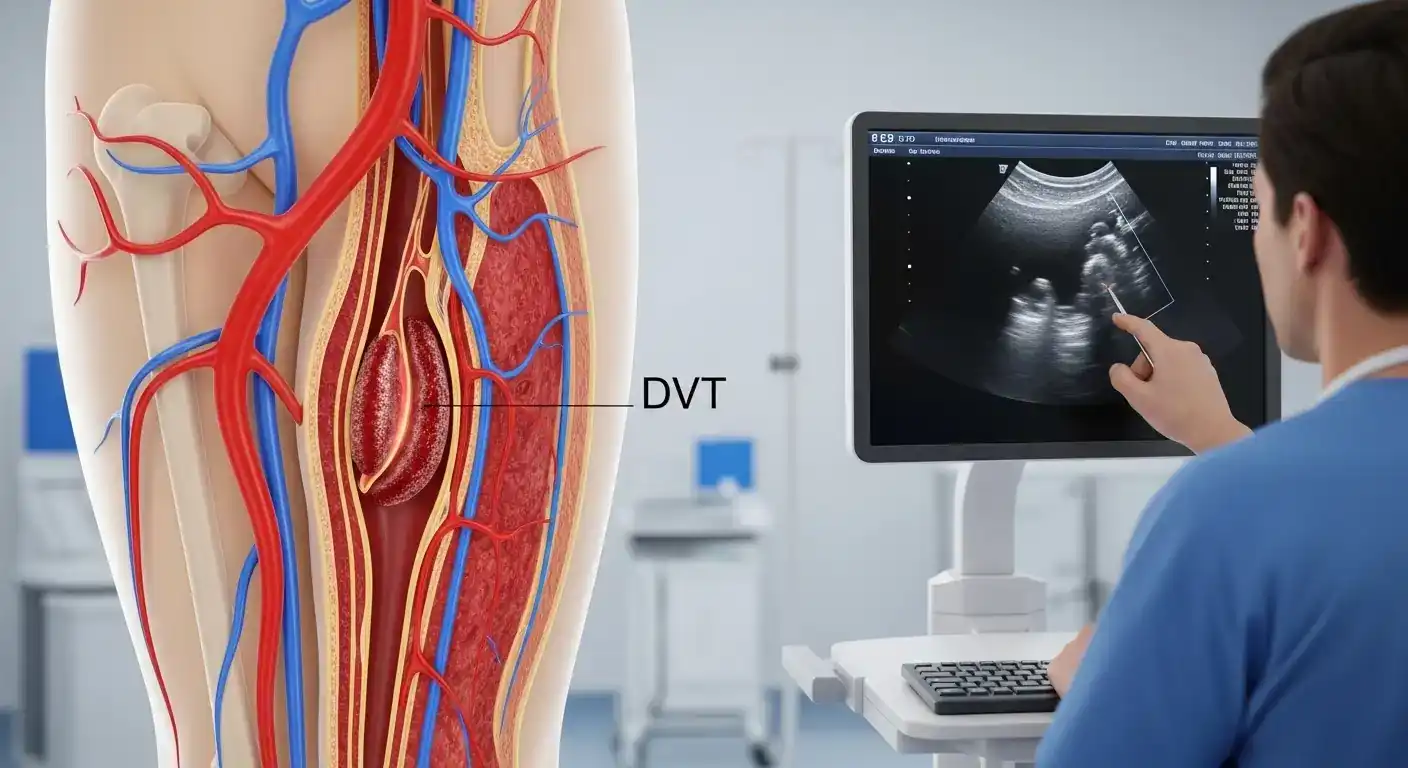
DVT is a medical condition where a blood clot forms in one or more deep veins, typically in the legs. If left untreated, these clots can travel to the lungs, causing a life-threatening pulmonary embolism.
Comprehensive DVT Diagnosis and Treatment
Deep vein thrombosis (DVT) is a medical condition in which a blood clot forms in one or more of the deep veins in the body, typically in the legs. DVT can cause serious health problems because the blood clots can break loose, travel through the bloodstream, and lodge in the lungs, causing a pulmonary embolism (PE). Our advanced interventional treatments focus on removing the clot safely and restoring healthy circulation.
Understanding the Condition
DVT occurs when a blood clot forms in deep veins. These clots can block blood flow or, more dangerously, break free and travel to the lungs (Pulmonary Embolism).
Common Symptoms
- Swelling in one leg (rarely both legs).
- Pain or tenderness in the leg, often starting in the calf.
- Red or discolored skin on the leg.
- A feeling of warmth in the affected leg.
- Note: Sometimes DVT can occur without any noticeable symptoms.
Risk Factors
- Prolonged immobility (sitting or lying down for long periods)
- Injury or recent surgery causing vein damage
- Medical conditions like cancer, heart disease, or inflammatory diseases
- Genetics and inherited blood clotting disorders
- Hormone therapy or birth control pills
- Pregnancy and obesity causing increased vein pressure
- Smoking and age (especially over 60)
Advanced Treatment Options
Anticoagulation Therapy
Blood thinners (heparin, warfarin, or DOACs) to prevent clot growth and reduce the risk of new clots.
Catheter-Directed Thrombolysis
A minimally invasive procedure where a catheter delivers clot-dissolving drugs directly to the site of the blockage.
Mechanical Thrombectomy
Using a specialized catheter to physically remove the clot from the vein, often combined with thrombolysis.
IVC Filter Placement
Inserting a small metal device in the inferior vena cava to catch and prevent clots from reaching the lungs.
Compression Therapy
Use of medical-grade compression stockings to reduce swelling and prevent post-thrombotic syndrome.
How the Procedure Works
Access
A thin catheter is inserted via a small puncture, usually behind the knee or in the groin.
Imaging
The clot is located precisely using real-time ultrasound and X-ray (fluoroscopy).
Removal
Clots are dissolved using medication or physically removed using mechanical thrombectomy devices.
Key Benefits & Advantages
Prevents life-threatening Pulmonary Embolism
Restores normal blood flow immediately
Reduces risk of long-term leg swelling (post-thrombotic syndrome)
Minimally invasive 'pinhole' procedures
Faster recovery than traditional surgery
Recovery & Aftercare
Hospital stay of 2-3 days for monitoring. Most patients resume normal activities within 1-2 weeks.
Frequently Asked Questions
Q. What are the warning signs of DVT?
Look for sudden swelling, pain, redness, or warmth in one leg. If you also have chest pain or shortness of breath, seek emergency care immediately.
Related Vascular Care Procedures
Book a Consultation
Schedule an appointment with our specialists to discuss if Deep Vein Thrombosis (DVT) is right for you.