
Joint Injections (PRP & Corticosteroids)
An advanced biological treatment (PRP) and non-surgical corticosteroid injections used to relieve pain, reduce inflammation, and promote natural healing in joints.
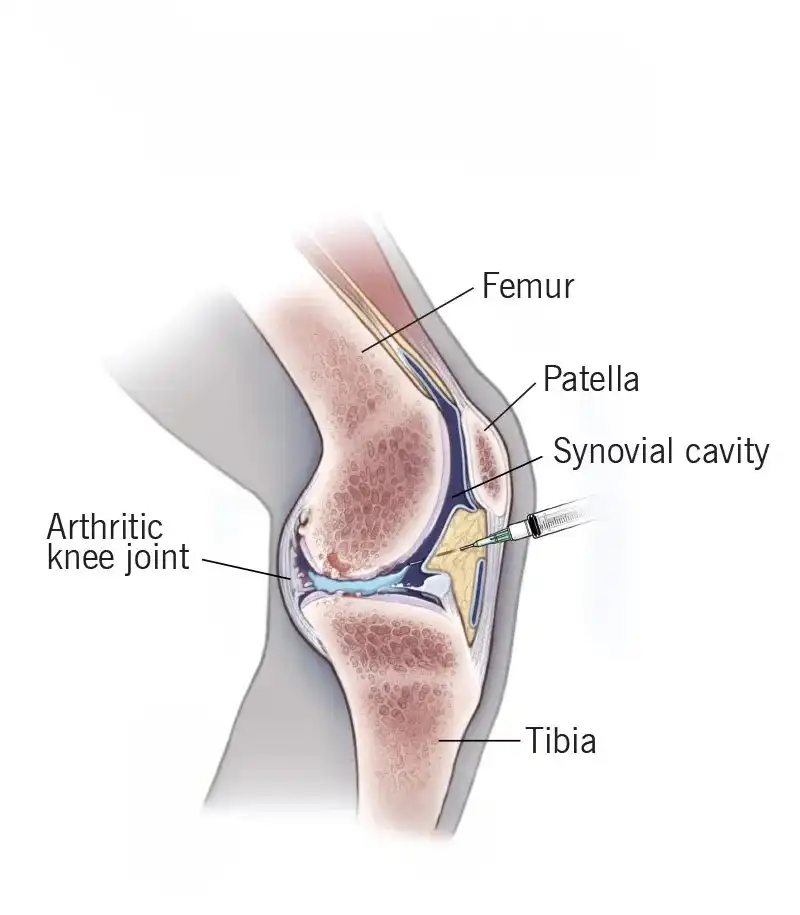
Advanced Platelet-Rich Plasma (PRP) & Corticosteroid Injections
1. PRP (Platelet-Rich Plasma) injection is the frontier of regenerative medicine. By concentrating the healing growth factors naturally found in your blood and injecting them directly into damaged joints, we jumpstart cellular repair for osteoarthritis, tendinitis, and soft tissue injuries. 2. Corticosteroid injections are a non-surgical treatment used to relieve pain and reduce inflammation in joints affected by arthritis, tendonitis, or injury. Unlike "anabolic" steroids used for muscle building, these are synthetic versions of cortisol, a natural hormone your body produces to fight inflammation.
Understanding the Condition
1. Platelet-rich plasma (PRP) injections are a therapeutic treatment derived from a patient's own blood, where platelets are concentrated and reinjected into injured or diseased tissue to accelerate healing. 2. Corticosteroid injections are synthetic versions of cortisol, a natural hormone your body produces to fight inflammation. They are used to suppress the immune response at the site of injection, providing long-term relief for chronic joint conditions.
How the Procedure Works
PRP: Blood Draw
A small, standard blood sample is taken from your arm.
PRP: Centrifugation
The blood is instantly spun in a high-speed centrifuge to extract and concentrate the active platelets.
PRP: Injection
The enriched plasma, now dense with growth factors, is precisely injected directly into the damaged joint.
Steroid: Preparation
The skin over the joint is cleaned and sometimes numbed with a topical spray or local anesthetic.
Steroid: The Injection
Using a fine needle, the specialist injects a mixture of a corticosteroid (for long-term relief) and a local anesthetic (for immediate, short-term numbing).
Steroid: Precision
In some cases, your doctor may use ultrasound or X-ray (fluoroscopy) guidance to ensure the medication is delivered precisely into the joint capsule.
Steroid: Duration
The entire process usually takes less than 15 minutes.
Key Benefits & Advantages
Longer-lasting relief than traditional corticosteroids (often 6–12 months or more).
Promotes actual structural healing rather than just temporarily masking pain.
Virtually zero risk of allergic reaction or infection since it uses your own biology.
Completely safe for repeat use, unlike steroids which can damage tissue over time.
Steroids: Provide rapid reduction of swelling and inflammation for weeks to months.
Steroids: Immediate numbing effect with local anesthetic included in the injection.
Recovery & Aftercare
PRP: Patients experience mild soreness for 2-5 days. Avoid NSAIDs for 2 weeks to allow inflammation-driven healing. Full tissue benefits seen in 2-6 months. Steroid Relief Timeline: - Immediate (Hours 1–6): Relief due to local anesthetic. - The 'Flare' (Day 1–2): Temporary soreness as anesthetic wears off. - Long-Term (Days 3–7): Corticosteroid begins to work (lasts weeks to months). Post-Injection Care: Rest the joint for 24–48 hours. Apply ice packs (20 min on/off) for first 24 hours. Monitor blood sugar if diabetic. Minor flushing/skin changes may occur.
Related Pain Management Procedures
Book a Consultation
Schedule an appointment with our specialists to discuss if Joint Injections (PRP & Corticosteroids) is right for you.