
Percutaneous Drainage
A minimally invasive medical procedure used to safely remove abnormal fluid collections—such as abscesses, pus, blood, or bile—from inside the body.
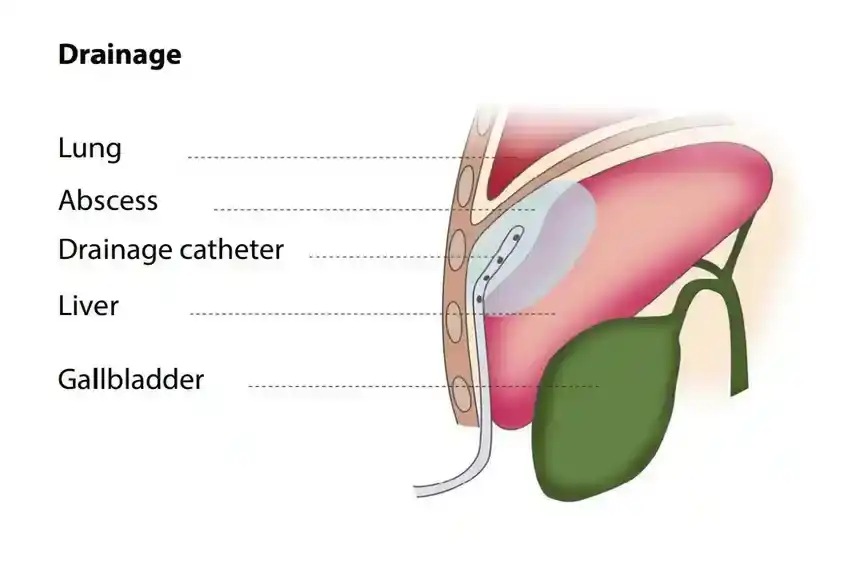
Minimally Invasive Percutaneous Drainage
Performed by an interventional radiologist, it involves inserting a thin catheter through the skin (percutaneously) into the fluid collection using imaging guidance (like CT or ultrasound). It serves as a safer, less invasive alternative to open surgery for managing infected or symptomatic fluid buildups.
Common Symptoms
- Localized pain or swelling
- Fever and chills (indicating infection)
- Redness and warmth over the affected area
- Reduced organ function (e.g., jaundice from bile blockage)
- Shortness of breath (from pleural effusion)
- Abdominal distension (from ascites)
Risks of Ignoring
- These symptoms often arise due to infection, surgery, trauma, or underlying diseases like pancreatitis or cancer.
How the Procedure Works
Imaging & Planning
Ultrasound or CT scan locates the fluid collection and determines the safest access route.
Preparation & Anesthesia
Local anesthesia numbs the skin; conscious sedation may be used for comfort. Fasting is required for 4–6 hours beforehand.
Catheter Placement
Under real-time imaging, a needle is inserted into the fluid. A guidewire is passed through, and a drainage catheter is placed using the Seldinger technique.
Drainage & Aftercare
Fluid drains into an external bag. The site is monitored, and patients receive instructions on drain care.
Key Benefits & Advantages
Minimally Invasive: No large incisions; reduces tissue damage and scarring.
Faster Recovery: Shorter hospital stays and quicker return to normal activities.
Lower Risk: Reduced chances of infection, bleeding, and complications compared to surgery.
Avoids General Anesthesia: Safer for elderly or high-risk patients.
Targeted Treatment: Enables fluid analysis (e.g., culture) for precise diagnosis.
Related Specialized Care Procedures
Book a Consultation
Schedule an appointment with our specialists to discuss if Percutaneous Drainage is right for you.